
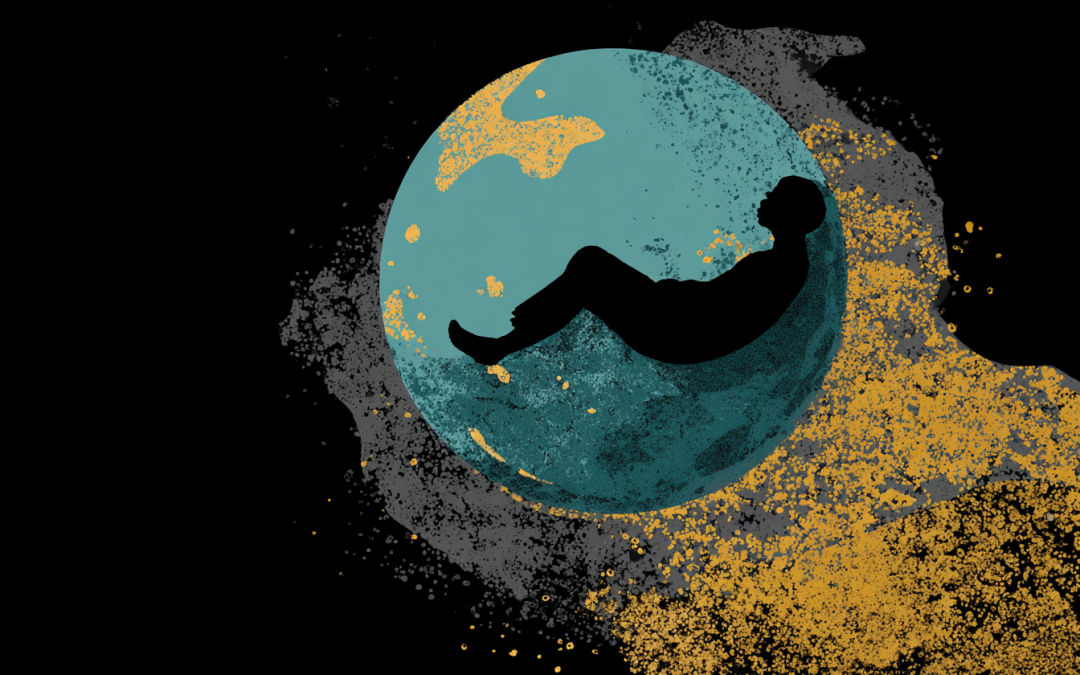
It starts innocently enough. You’re prepping for a solo psilocybin experience. You dim the lights, queue your playlist, and open an app that promises structured prompts, real-time check-ins, and therapeutic journaling support. No human needed. It’s like having a guide in your pocket, always available, never judgmental.
But here’s the question buzzing louder in the psychedelic space: Can an AI truly serve as a psychedelic tripsitter?
As AI-powered “digital tripsitter” tools enter the fold, especially in psychedelic therapy and journaling circles, the line between support and simulation blurs. Some hail the convenience and accessibility. Others see risk in replacing human presence with machine-generated compassion.
Let’s unpack this growing trend, and why it matters more than ever to maintain discernment during altered states.
What Is a Digital Tripsitter?
A digital tripsitter is typically an AI-powered app or chatbot designed to support psychedelic journeys. Think: guided prompts, mindfulness reminders, journaling workflows, and soothing affirmations; sometimes infused with biometric feedback or customized journey planning.
Apps like Alterd have gained traction for offering structured psychedelic journaling during or after ceremonies. Some users even rely on ChatGPT to help craft intentions or debrief insights from trips. Others program AI companions to “check in” during journeys, hoping to simulate the grounded presence of a human sitter.
The promise? Safety, insight, structure without the cost or coordination of a human guide.
But psychedelic therapy isn’t a spreadsheet. It’s soul work. And when things get unpredictable, digital calmness may not be enough.
Why Are People Turning to AI in Psychedelic Spaces?
Several trends are converging:
- Therapist shortages: Legal psychedelic therapists are still rare, pricey, and geographically clustered.
- Solo journeyers: Many explorers seek inner healing alone, especially with psilocybin or ayahuasca retreats abroad.
- Tech-native generations: Younger seekers often feel more comfortable opening up to an app than a stranger.
- Integration urgency: Post-trip clarity fades quickly. Structured psychedelic journaling through an app helps capture insights before they vanish.
In a Wired article, one veteran described using Alterd during an ayahuasca session to process military trauma. He claimed the app’s structured reflection helped ground and guide him, something he felt lacking in the ceremonial group setting.
Psychedelic Journaling Gets a Digital Boost
Journaling has long been a cornerstone of psychedelic integration. But AI is pushing the practice into new territory.
Some tools now offer:
- Custom intention-setting exercises
- Voice-to-text dream logging
- Mood tracking and sentiment analysis
- Prompts tuned to specific substances or therapeutic goals
- Integration summaries crafted through natural language processing
This isn’t just note-taking. It’s guided meaning-making. A digital witness to your non-ordinary states.
Still, there’s a difference between a smart prompt and a wise presence.
Can AI Replace Human Empathy?
Short answer: no.
Longer answer: AI can mirror empathy, but it can’t feel with you. And during a vulnerable psychedelic journey, that gap matters.
Human tripsitters, especially those trained in trauma-informed care, attune to subtle shifts: breathing patterns, vocal tremors, unconscious movements. They know when to speak, when to stay silent, and how to meet emotional spirals with grounded presence.
AI can simulate support, but it won’t notice if your breathing turns erratic or if you start disassociating. It won’t smell fear, notice tears, or recognize when the room is suddenly too dark.
And it certainly won’t call 911.
When Tech Meets Trauma: The Hidden Risks
Some AI tools claim to guide users through challenging moments. But in altered states, nuance is everything. Bad advice at the wrong time? Dangerous.
Consider the risks:
- False safety: Users may over-rely on apps, assuming they’re protected.
- Unregulated guidance: Some apps offer suggestions with no therapeutic oversight.
- Delayed response: An AI doesn’t escalate when someone’s in distress unless explicitly programmed…and even then, it’s not foolproof.
This is why expert psychedelic therapists and facilitators continue to advocate for human connection first. Tech can complement, but not replace, the sacred role of a live guide.
Where the Tools Shine: Integration and Preparation
To be fair, digital tripsitter apps can serve a real purpose, outside the trip itself.
Before the journey, AI can help:
- Clarify intentions through coaching-style prompts
- Offer reminders around set, setting, and dosage
- Help draft personal rituals or checklists
Afterward, they can support:
- Reflective psychedelic journaling with structured formats
- AI-generated integration themes
- Sentiment analysis over time to notice patterns
In these phases, where grounding has returned and cognition is stable, digital tools may enhance therapeutic outcomes.
But mid-trip? That’s still sacred, analog territory.
Blending Tech with Tradition: A New Hybrid Model
The future likely won’t be human or AI. It’ll be both.
Imagine:
- A live guide who reviews your AI-assisted journaling before your next session
- A wearable that tracks physiological signs of distress during a ceremony
- VR-assisted integration tools paired with therapist debriefs
- Consent-aware AI copilots that offer silent support without pretending to be sentient
As AI, VR, and biotracking converge, the possibilities expand. But as they do, so does the need for clear ethical lines.
Just because a tool can offer support doesn’t mean it should take the place of embodied presence.
The Bottom Line: Tools Are Not Teachers
AI doesn’t have intuition. It can’t hold space. It doesn’t understand grief, or know when to touch a shoulder gently, or when to sit in shared silence.
Digital tripsitter apps may guide you through a journaling session. They might remind you to breathe. They might even help you interpret a symbolic vision the next morning.
But in the moment your heart breaks open, or you touch the edge of ego death, you’re going to want a human nearby.
One who’s walked that terrain. One who knows the difference between data and wisdom.
So use the tools. Let them support your preparation. Let them enrich your psychedelic journaling. But don’t forget:
When it comes to psychedelic therapy, presence still matters more than processing power.
If you’re seeking support for your own journey, remember: no app replaces real human care. Explore trusted psychedelic therapy options with JourneyŌM trained guides who can truly hold space—for everything that might arise.
Ready to take the first step?
Start with the Readiness Assessment or schedule a 1:1 consultation to meet your guide matches. Your path begins here—safe, supported, and fully yours.